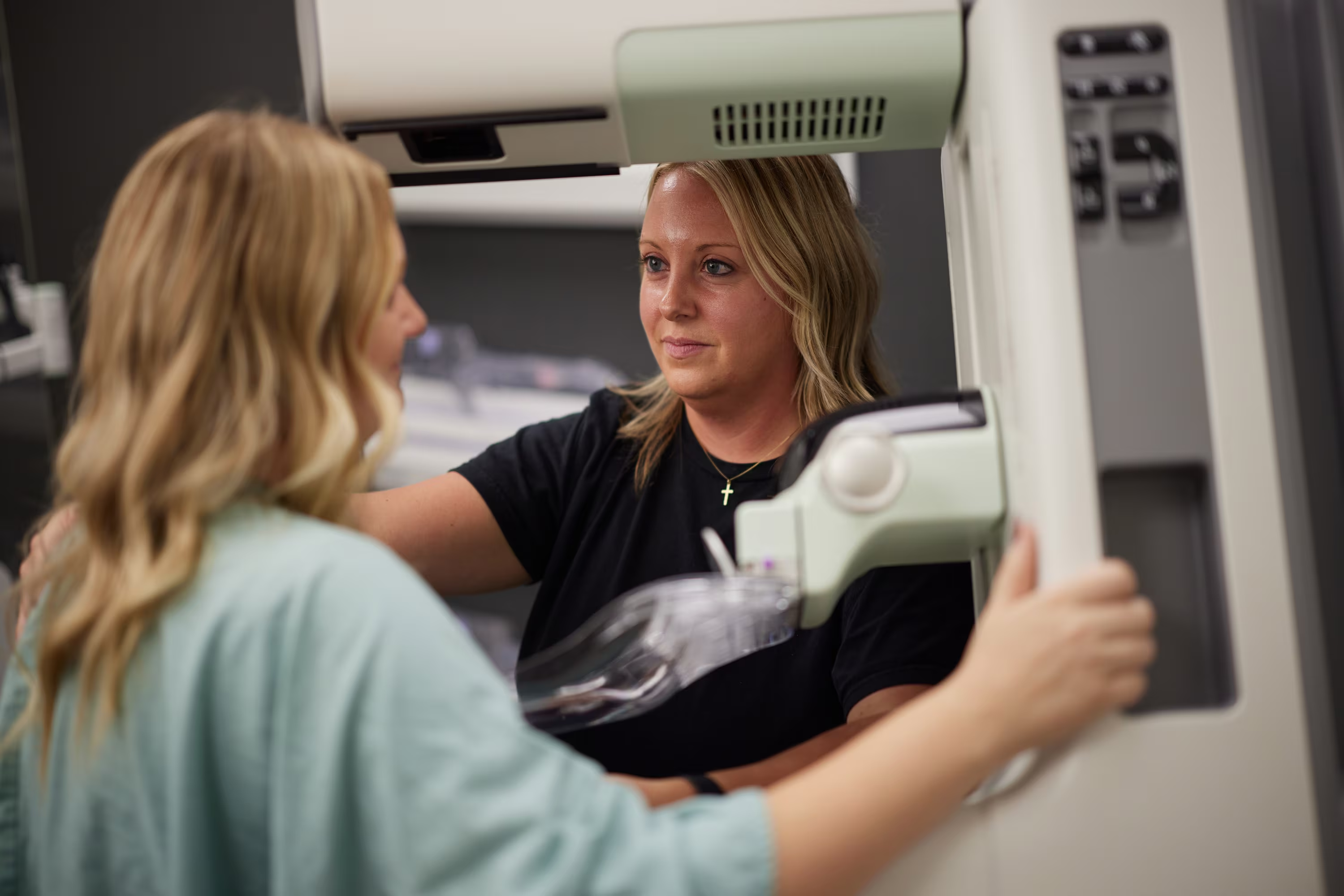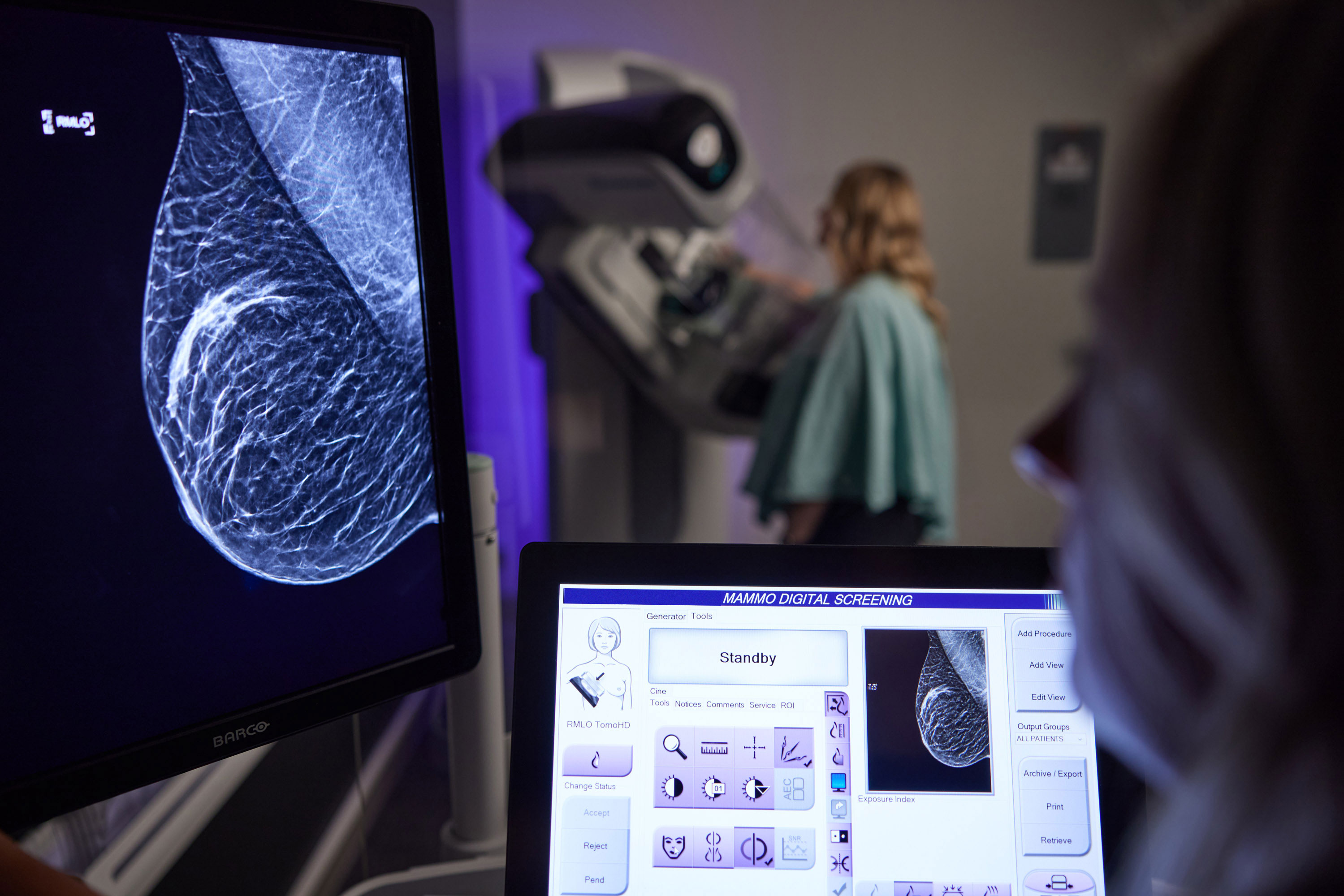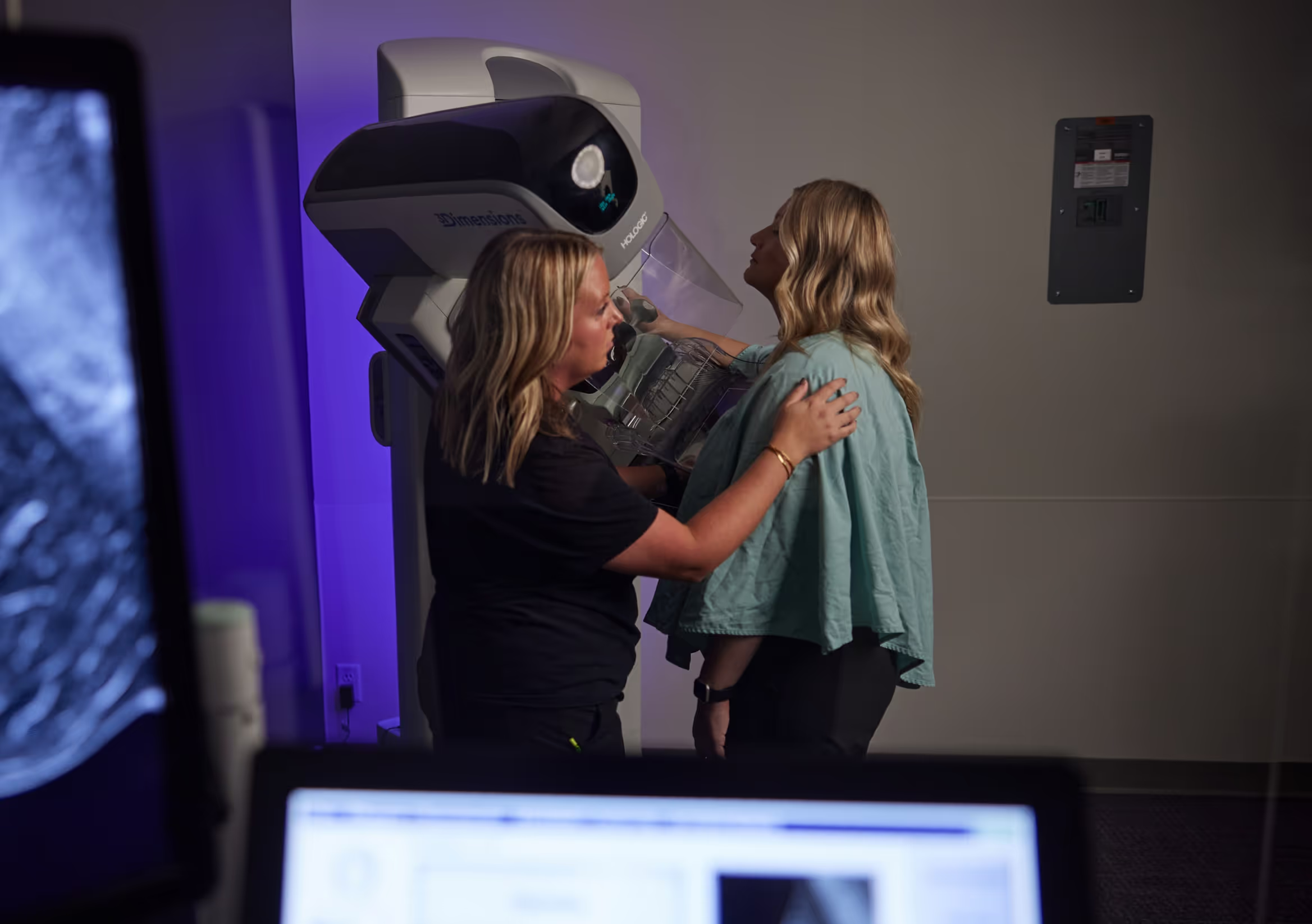
Breast cancer is the most common cancer in women worldwide. About 1 in 8 women in the United States will be diagnosed with breast cancer during her lifetime. While these numbers can feel overwhelming, the encouraging news is that early detection saves lives and modern imaging offers more powerful tools than ever before.
At Iowa Radiology, we believe imaging is only the beginning. With specialized expertise in women’s health and a collaborative team model, we provide breast screenings that deliver not just images, but insights that guide future care.
Here’s what every patient should know about breast cancer risk and screening.
When to Begin Screening
The American College of Radiology and the Society of Breast Imaging recommend annual mammograms beginning at age 40 for women at average risk. For women with higher-than-average risk, screening may begin earlier and include additional imaging.
Risk factors that may affect when you start screening include:
- Family history of breast cancer.
- Known genetic mutations such as BRCA1 or BRCA2.
- Personal history of breast or ovarian cancer.
- Previous chest radiation therapy.
How Iowa Radiology Helps
Our radiologists work closely with your provider to tailor screening recommendations to your individual risk. If you have questions about when to start or how often to be screened, your provider can help create a plan with Iowa Radiology’s input.
The Role of Breast Density
Breast density is a measure of how much fibrous and glandular tissue is present compared to fatty tissue. Nearly half of all women over 40 have dense breasts.
Why it matters:
- Dense tissue can make cancers harder to see on a mammogram.
- Dense breasts are also an independent risk factor for breast cancer.
Screening Options for Dense Breasts
For women with dense breast tissue, supplemental imaging, such as breast MRI or ultrasound, may be recommended in addition to mammography.
How Iowa Radiology Helps
We offer 3D mammography, which is more effective at detecting cancers in dense breasts than traditional 2D mammography. If additional imaging is needed, our team can provide ultrasound or breast MRI, ensuring a more complete picture of breast health.
Understanding Invasive Lobular Carcinoma
Invasive lobular carcinoma (ILC) is the second most common type of breast cancer. Unlike invasive ductal carcinoma, which forms a distinct mass, ILC often grows in a single-file pattern that can make it harder to detect on traditional mammograms.
How Iowa Radiology Helps
Our breast radiologists are trained to recognize subtle imaging patterns that may indicate ILC. In some cases, MRI can provide more clarity when mammography results are inconclusive.
Hormone Therapy and Breast Cancer
Hormone therapy is commonly used in the treatment of hormone receptor-positive breast cancers. It works by blocking or lowering the body’s levels of estrogen and progesterone, which fuel certain breast cancers.
While hormone therapy can be highly effective, it may also carry side effects, and it is not suitable for every patient. Decisions about treatment are made in collaboration with oncologists and guided by imaging results.
How Iowa Radiology Helps
Our role is to provide accurate imaging that informs treatment planning and follow-up. For patients undergoing hormone therapy, we help monitor response to treatment and detect any signs of recurrence.
Why Choose Iowa Radiology for Breast Imaging?
- Specialized Expertise. Our large team includes radiologists who focus specifically on breast imaging.
- Advanced Imagine Technology. 3D mammography, breast MRI, and ultrasound are all available.
- Fast Results. We strive to deliver mammogram results quickly, reducing stress and uncertainty.
- Collaborative Approach. We work closely with your provider to ensure you get personalized, informed care.
Take the next step
If you’re approaching 40, or if you have risk factors that may warrant earlier or additional screening, talk to your provider about breast cancer screening. Ask for a referral to Iowa Radiology, where we’re committed to delivering insights that guide care to help you move forward with confidence.